If you own a home in Colorado Springs, Monument, Peyton, or Falcon, this is one of the most critical maintenance questions you can ask.
In our high-altitude environment, your home’s exterior takes a beating unlike anywhere else in the country. While a quality paint job on a house in a temperate climate might easily stretch past a decade, Colorado’s unique weather conditions create a very different timeline.
Generally, a professional exterior paint job in Colorado lasts between 5 to 8 years. However, depending on your home’s elevation, sun exposure, building materials, and the quality of the initial preparation, that window can shift dramatically.
Understanding why paint ages faster in Colorado, and how to protect your investment, will save you thousands of dollars in home maintenance over time.
Why Colorado’s Climate Cuts Paint Lifespan Short
Colorado boasts over 300 days of sunshine a year, which is great for outdoor living, but tough on house paint. The climate creates a harsh environment that constantly wears down exterior coatings:
1. Intense UV Radiation at High Elevations
For every 1,000 feet of elevation gain, UV radiation increases by roughly 10% to 12%. In regions like Colorado Springs and Monument, your exterior walls absorb intense, unfiltered ultraviolet light. UV rays break down the chemical binders in paint, causing rich colors to fade, chalk, and lose their flexibility.
2. Radical Temperature Swings and Freeze-Thaw Cycles
It isn’t uncommon in Falcon or Peyton to experience a 70°F sunny afternoon followed by a 20°F freeze overnight. These extreme thermal fluctuations cause your siding to expand and contract rapidly. Paint that has lost its elasticity under the sun cannot flex fast enough, leading to micro-cracks, peeling, and flaking.
3. Wind, Hail, and Low Humidity
High winds drive dust, debris, and spring hail against your home, wearing down topcoats over time. Combined with low relative humidity, paint dries fast during application, which requires expert technique to ensure it cures properly without becoming brittle.
How Long Does Paint Last on Different Siding Types?
Not all surfaces age at the same rate. The material beneath your paint plays a massive role in determining how often you will need a touch-up or a full repaint:
- Stucco (7 to 10 Years): Stucco holds paint exceptionally well, but it is prone to minor settling cracks that can let moisture in over time. It performs best with flexible, high-grade elastomeric coatings.
- Fiber Cement / James Hardie (8 to 12 Years): Fiber cement is a highly stable material that resists moisture and holds paint significantly longer than raw wood.
- Wood Siding and Trim (4 to 6 Years): Wood expands and contracts heavily with moisture and temperature changes. It needs frequent inspection around seams and end-grains to prevent wood rot.
- Brick and Masonry (8 to 10+ Years): Painted brick lasts a long time when applied correctly, but it requires specialized, breathable masonry primers to prevent moisture from getting trapped behind the paint film.
The Hidden Factors That Affect Paint Longevity
If you ask two neighbors on the same street in Monument how long their exterior paint lasted, you might get completely different answers. Beyond siding material, three core factors dictate how long your paint will hold up:
1. Direct Sun Exposure
South- and west-facing walls absorb the brunt of afternoon heat and intense UV radiation. It is very common for the south side of a Colorado home to show signs of fading and cracking 2 to 3 years earlier than the shaded north side.
2. Color Choice
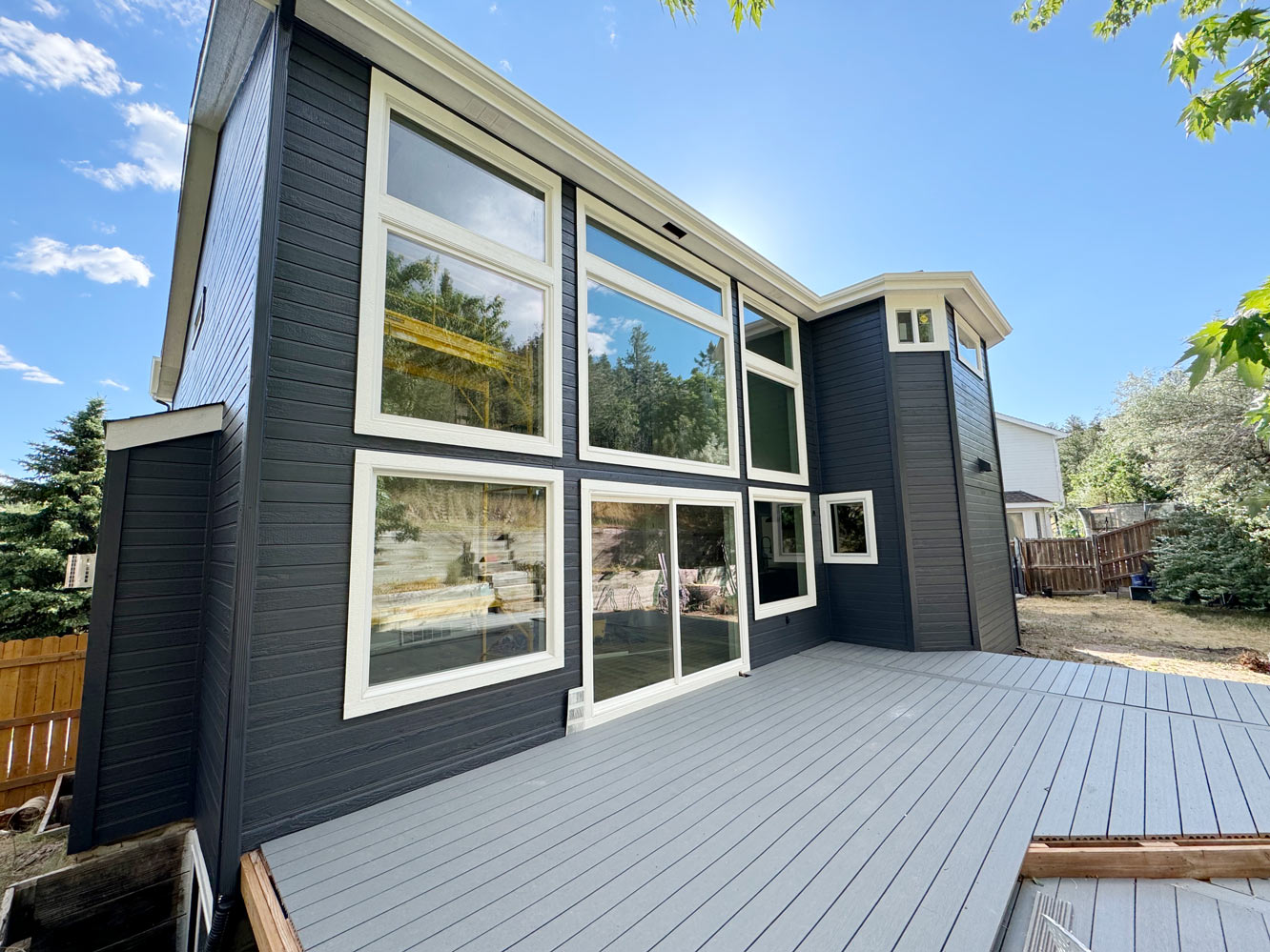
Darker colors, like deep navy, dark brown, or charcoal, absorb significantly more heat and UV rays than lighter shades. This heat absorption accelerates the breakdown of the paint’s resin. Lighter tones, warm grays, and mid-tone earth shades reflect light better and maintain their fresh look much longer in high-altitude sun.
3. Quality of Paints and Coatings
Discount exterior paint might save money upfront, but standard builder-grade coatings lack the high acrylic resin content needed to withstand Colorado’s climate. Premium, 100% acrylic latex exterior paints form a flexible, durable shield that stretches with temperature shifts and resists UV breakdown.
Proper Prep Work: The Most Important Factor in Paint Longevity
You can buy the most expensive paint on the market, but if it is applied over dirty, peeling, or unprimed surfaces, it will fail in under 3 years. Over 80% of premature paint failures in Colorado are caused by poor surface preparation.
A professional exterior preparation process must include:
- Power Washing: Removing chalk, dirt, mildew, and pollutants so new paint can bond directly to the surface.
- Scraping and Sanding: Removing every trace of loose or peeling paint to create a smooth, sound base.
- Repairing Substrates: Replacing rotted wood trim, filling holes, and patching stucco cracks.
- Caulking Windows and Trim: Sealing gaps with high-grade elastomeric caulk to prevent water intrusion during winter snowmelt.
- Spot Priming: Applying specialized primers to bare wood, exposed masonry, or stained areas to guarantee adhesion.
5 Warning Signs It’s Time to Repaint Your Colorado Home
Catching paint failure early prevents structural damage like wood rot and water intrusion. Keep an eye out for these red flags:
- Chalking: Running your hand across the siding leaves a powdery residue. This means the paint binders have broken down under UV rays.
- Peeling or Flaking: Paint is lifting away from the surface, exposing raw wood or stucco underneath.
- Fading and Color Discoloration: Your home’s shade looks uneven, blotchy, or washed out compared to shaded areas under the eaves.
- Cracked or Hardened Caulk: Caulk around doors and windows has shrunk, cracked, or pulled away, leaving open gaps.
- Exposed Wood or Water Stains: Graying, weathered wood indicates the protective barrier is completely gone and moisture is soaking into the home.
How to Extend the Life of Your Exterior Paint Job
Want to push your exterior paint job toward the 8-to-10-year mark? Here are quick, actionable steps homeowners can take:
- Inspect Your Exterior Annually: Walk around your home every spring after the winter snow melts to look for new cracks or peeling.
- Wash Your Siding Gently: Hose down high-dust areas once a year to prevent dirt buildup from degrading the topcoat.
- Trim Nearby Trees and Shrubs: Keep foliage at least 12 to 18 inches away from your walls to prevent moisture trapping and surface scraping.
- Touch Up Early: Address small cracks or exposed caulk immediately before winter water can seep in and freeze behind the paint layer.
Trust Double Diamond Painting Pros for Long-Lasting Results
When asking how long does exterior paint last in Colorado, the real answer comes down to application quality, material choice, and meticulous prep.
At Double Diamond Painting Pros, we specialize in protecting homes across Colorado Springs, Monument, Peyton, and Falcon against harsh local weather. We don’t take shortcuts on surface prep, and we only use top-tier, high-altitude exterior coating systems designed to withstand the Rocky Mountain climate.
Ready to Protect Your Home?
Don’t wait until peeling paint leads to costly wood repair. Schedule a free exterior paint assessment with Double Diamond Painting Pros today. We’ll evaluate your home’s current coating, identify vulnerable areas, and provide an honest plan to keep your house looking beautiful for years to come.